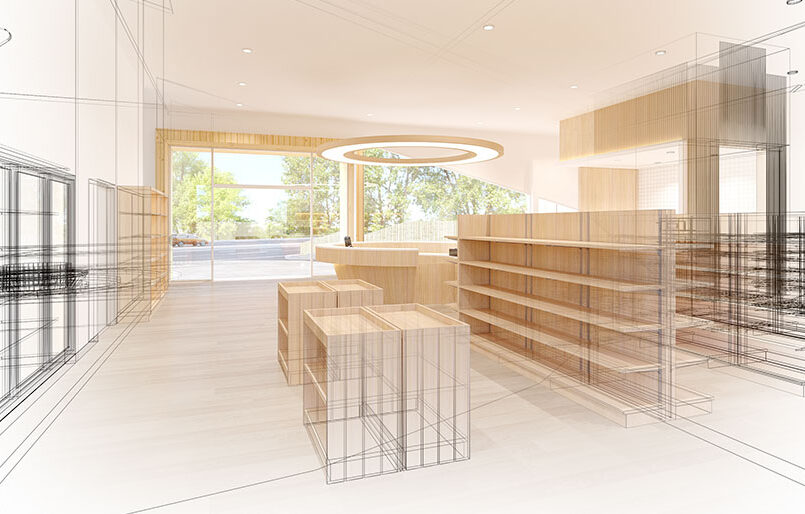




The importance of sensory stimuli in the in-store experience
In the retail universe, especially in spaces that are increasingly focused on the consumer experience, design goes far beyond aesthetics. The way a store is perceived is directly linked to the sensory stimuli it evokes and how these influence emotions, behaviours and purchasing decisions.
In the area of Design + Architecture of Prooptica, we believe that creating an efficient commercial space also involves understanding the importance of auditory, olfactory stimuli and even small experiences associated with customer comfort.
Auditory stimuli: music as a strategic element
Music plays a fundamental role in the store's atmosphere and must be aligned with the brand's identity and the target audience's profile. More than just background sound, it directly influences the pace of movement, the length of stay and even the consumer's emotional state.
Faster and more dynamic music tends to unconsciously accelerate decision-making and movement within the store, while soft and relaxing playlists encourage a longer stay, making space for a calmer and more engaging shopping experience.
Furthermore, the balanced distribution of sound helps to reduce the impact of ambient noise and increase the sense of comfort in the space.
Olfactory stimuli: creating memories through scent
Scent is another powerful element in building a store's identity. An environment with pleasant fragrances creates a sense of well-being, prolongs the time spent inside and strengthens the consumer's emotional connection with the space.
More than just comfort, the aroma can become a sensory brand signature, helping the consumer associate certain feelings and memories with the experience they had in store.
Small gestures that enhance the experience
In some store concepts, small touches of hospitality, such as offering water, coffee or other drinks, can reinforce the feeling of a welcoming and approachable atmosphere. These details help to make the experience more comfortable and distinctive, increasing the consumer's engagement with the space and the brand.
The experience as a differentiating factor
The balanced blending of different sensory stimuli creates more humane, engaging and memorable environments. Today, more than just selling products, shops need to provide experiences capable of generating emotion, comfort and an emotional connection with the consumer.
Because in retail design, every detail communicates — and every sensation counts.