


World Television Day: when entertainment meets visual care
World Television Day is on 21 November, a date that celebrates the importance of this medium in society and its role as a source of information, learning, culture and entertainment. From the black-and-white image to streaming platforms, smart TVs and ultra HD resolutions, television has evolved rapidly and dramatically, remaining present in the daily lives of millions of people around the world.
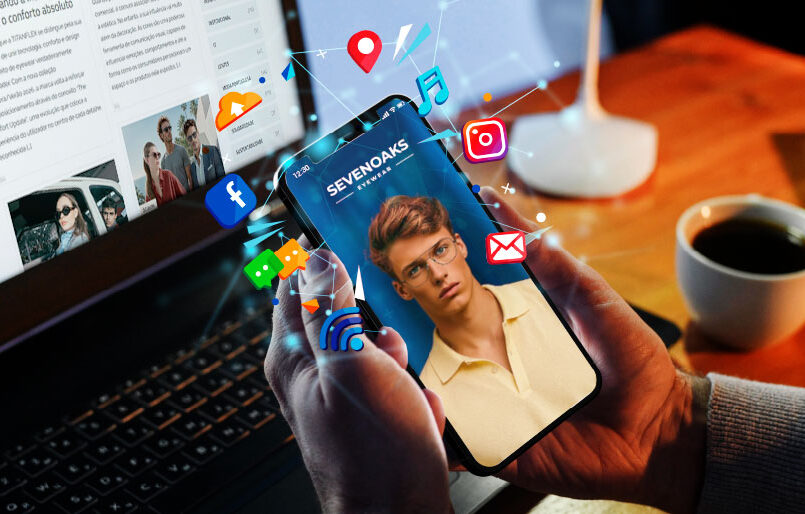
With this evolution and the increase in time spent in front of screens - not only on television, but also on the computer, tablet or smartphone - a new concern has arisen: the impact of blue light on visual health.
Blue light: why should we pay attention?
Blue light is a high-energy visible light emitted by digital screens and artificial lighting sources. Although it is also a natural component of sunlight, excessive and prolonged exposure can contribute to:
- fatigue and eye discomfort
- feeling of dry or irritated eyes
- frequent headaches
- difficulty focusing at the end of the day
- changes in the sleep cycle
Today, television represents only part of the time we spend in front of technology - and so visual care has become more important than ever.
Lenses with blue light protection: a solution for today's pace
Blue light filter lenses have been developed to reduce exposure to harmful light, offering more relaxed, comfortable and clear vision, with benefits ranging from visual well-being to improved sleep quality. They are especially recommended for those who wear glasses and spend several hours a day in contact with digital devices.
Balance, comfort and prevention
Celebrating World Television Day is a reminder of the power of images and communication. However, it is also an opportunity to emphasise the importance of protecting vision in an increasingly digital world.